Looking for fun and educational activities to do at home or in the classroom? These egg science experiments make it easy to explore chemistry, physics and biology using one simple ingredient: eggs.
From learning about the states of matter to testing the strength of an eggshell, these hands-on activities encourage curiosity while helping students connect science to everyday life.
The Disappearing Eggshell Experiment
What you’ll need
• 1 egg
• White vinegar
• Glass
Instructions
1. Place the egg in a glass.
2. Pour in enough vinegar to completely cover the egg.
3. After one hour, gently remove the egg with a spoon.
4. Rinse it under water while rubbing the shell gently with your fingers.
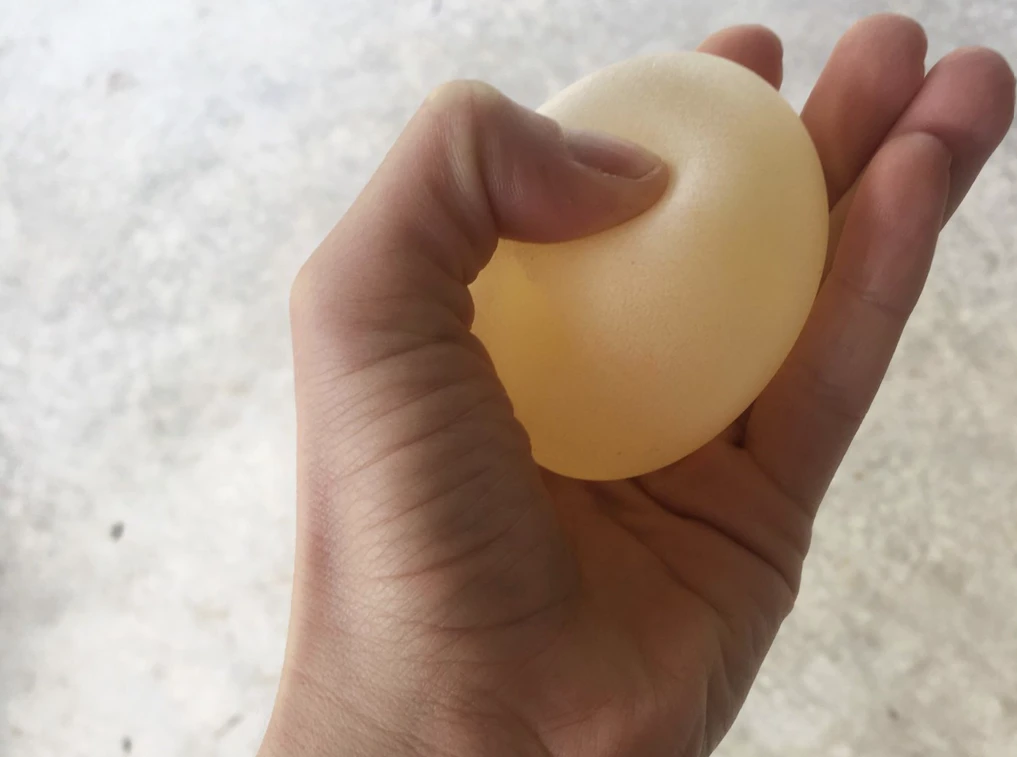
What did you observe?
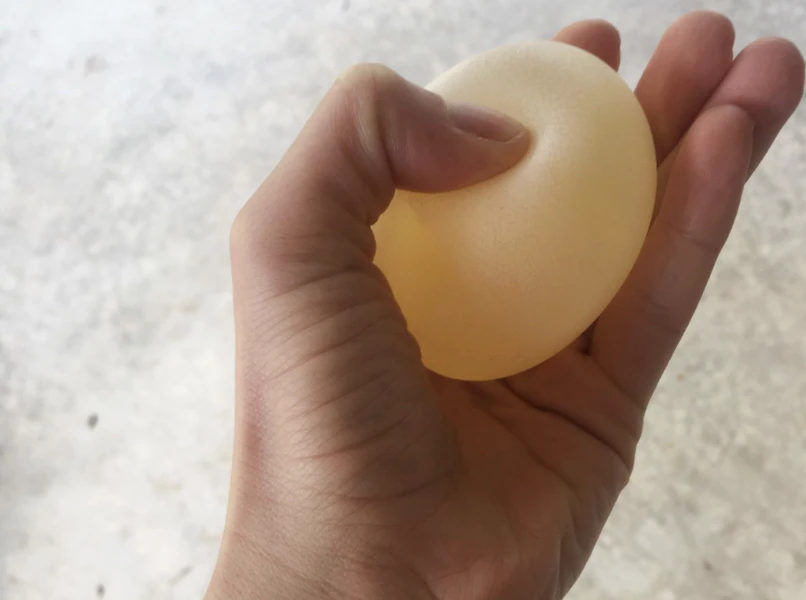
The acid in vinegar reacts with the calcium carbonate in the eggshell, releasing carbon dioxide bubbles and slowly dissolving the shell. The soft membrane underneath stays intact, leaving behind a shell-free egg.
For an extra experiment, place the egg in clean water for two to three days to create a rubbery texture.
Sink or Float: Learn About Density
What you’ll need
• Two glasses of water
• 1/4 cup salt
• 1 egg
Instructions
1. Fill both glasses with water.
2. Stir the salt into one glass until dissolved.
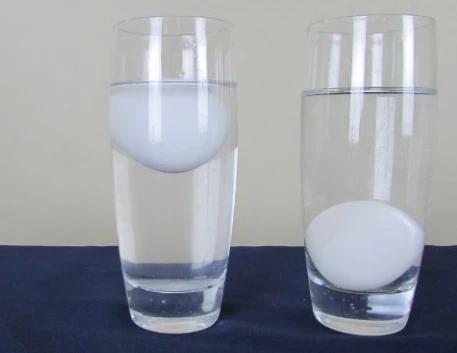
3. Place one egg into each glass.
Results
The egg sinks in fresh water but floats in salt water because salt increases the density of the water. If you add just the right amount of salt, you can even make the egg float halfway in the glass.
This activity introduces the scientific concept of density in a fun and interesting way.
Make a Bouncy Egg
What you’ll need
• Egg
• Vinegar
• Water
• Glass
Instructions
1. Cover the egg completely with vinegar for two to three days.
2. Rinse away the dissolved shell.
3. Place the egg in water for another two to three days.
4. Carefully drop it from about one metre onto a soft surface.
Results
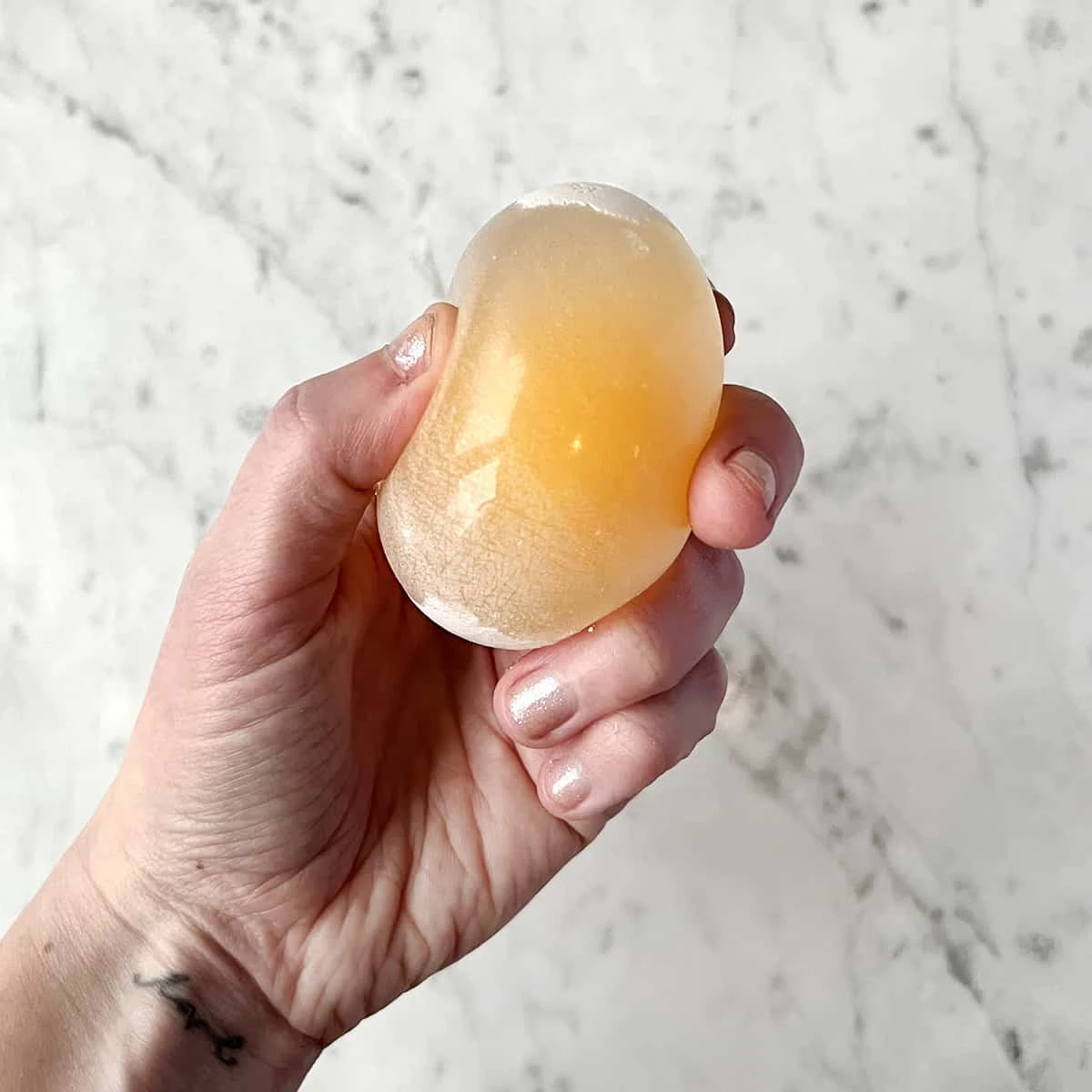
The vinegar dissolves the shell while leaving the membrane intact. Water then moves through the membrane, stretching it and creating a soft, bouncy egg.
Egg Stack Challenge
How much weight can an eggshell support?
What you’ll need
• Carton of eggs
• Plastic bottle caps
• Objects of different weights
• Protective covering for your work surface
Instructions
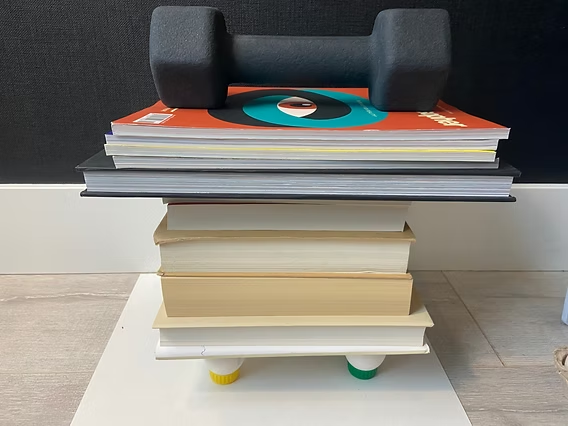
Place eggs upright using bottle caps to keep them from rolling. Carefully add objects on top of the eggs, starting with lighter items and gradually increasing the weight.
Results
Despite their delicate appearance, eggshells are remarkably strong. Their curved shape evenly distributes weight, allowing them to support surprisingly heavy loads.
Discuss where you see similar shapes in nature and engineering.
Explore Egg Anatomy Through Candling
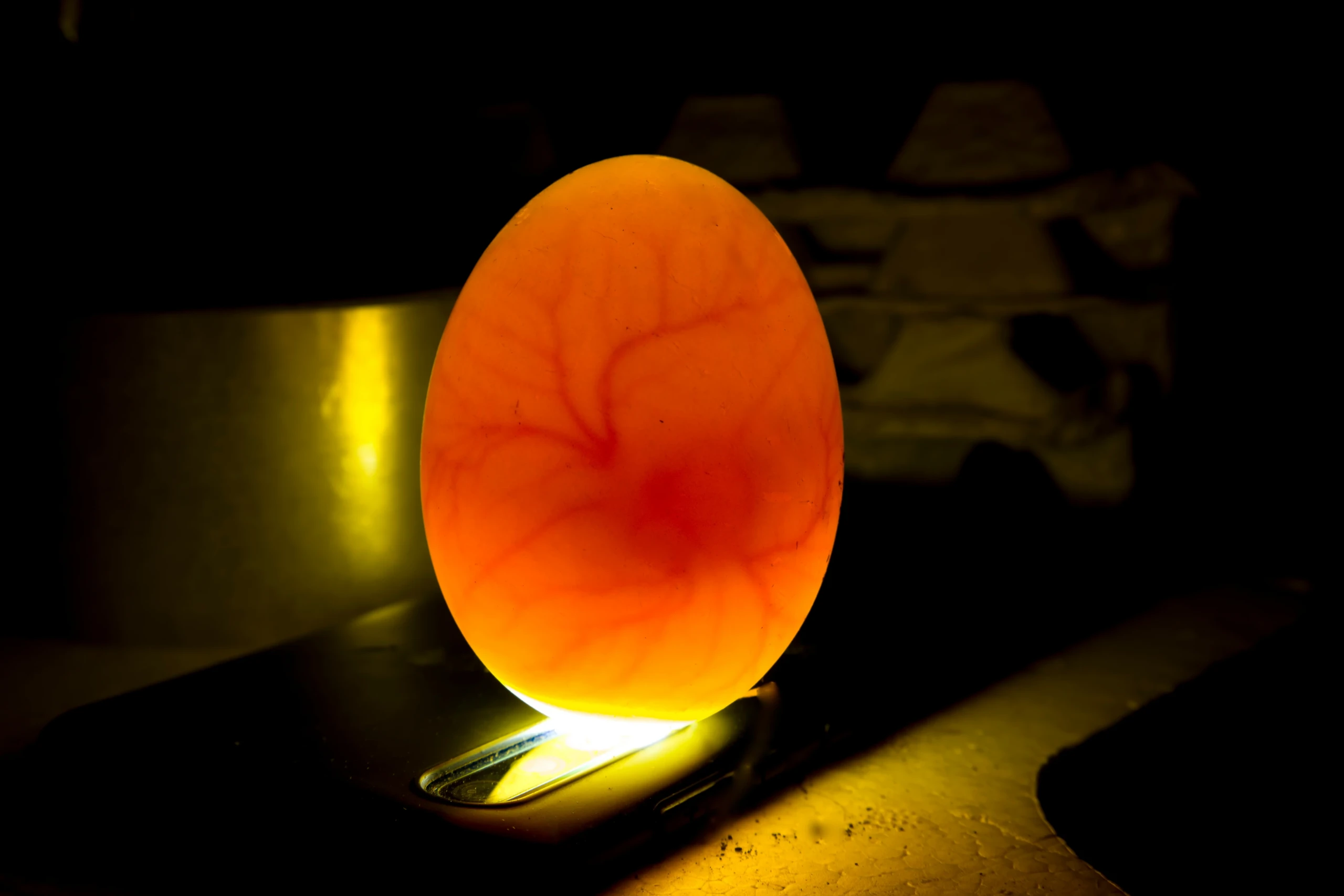
Candling allows you to see inside an egg without cracking it open.
What you’ll need
• Flashlight
• One egg with no cracks
• One egg with small cracks
Instructions
Hold each egg over the flashlight in a dark room and compare what you see.
What to observe
• Cracks
• Air pocket in the wide end of the egg
• Yolk position
• Shell quality
• Candling helps demonstrate why eggs are inspected before reaching grocery stores.
Egg Drop Challenge
Can you protect an egg from breaking?
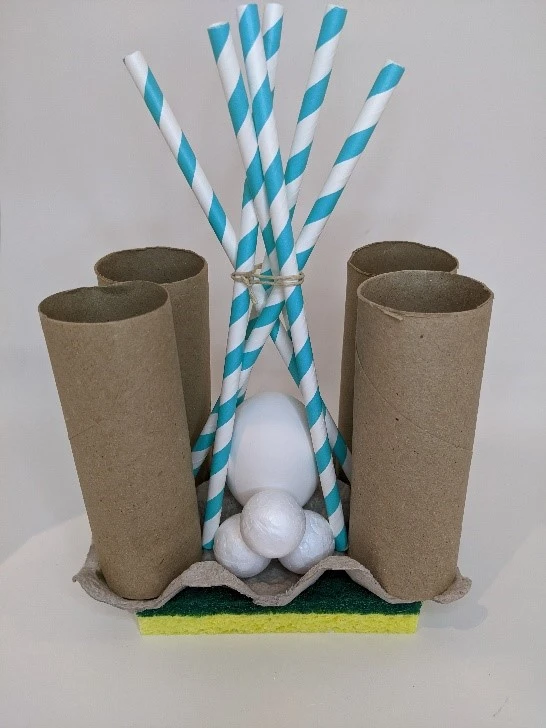
Instructions
1. Design a protective container.
2. Build your design using household materials.
3. Place the egg inside the container.
4. Drop it from a height of at least one metre.
5. Examine the egg and compare your results.
Discuss which materials absorbed the impact best and what improvements could be made.
Keep Exploring with Eggs
Eggs are much more than a nutritious food. They are also an incredible learning tool that helps students explore chemistry, biology, physics and engineering through hands-on discovery.
Whether you’re learning about density, matter, forces or chemical reactions, these egg experiments bring science to life in an engaging and memorable way.
Remember to wash your hands thoroughly after handling raw eggs and have fun exploring the science behind every egg.