
Written by Egg Farmers of Ontario’s nutrition intern Wing Man Lui
I grew up in Hong Kong, a place where food is woven into daily life and identity. People often call Hong Kong an foodie paradise, and it truly is. Every corner offers something delicious, comforting, or tied to memory. Later, when I studied abroad, I began to see how differently, and beautifully, people eat around the world. Traveling, cooking, and eating have become my favourite ways to understand culture. No matter where I go, one ingredient always seems to follow me: the humble egg. Simple, universal, and endlessly adaptable, eggs reveal so much about how people live, celebrate, and find comfort.
Hong Kong: Where My Egg Story Begins
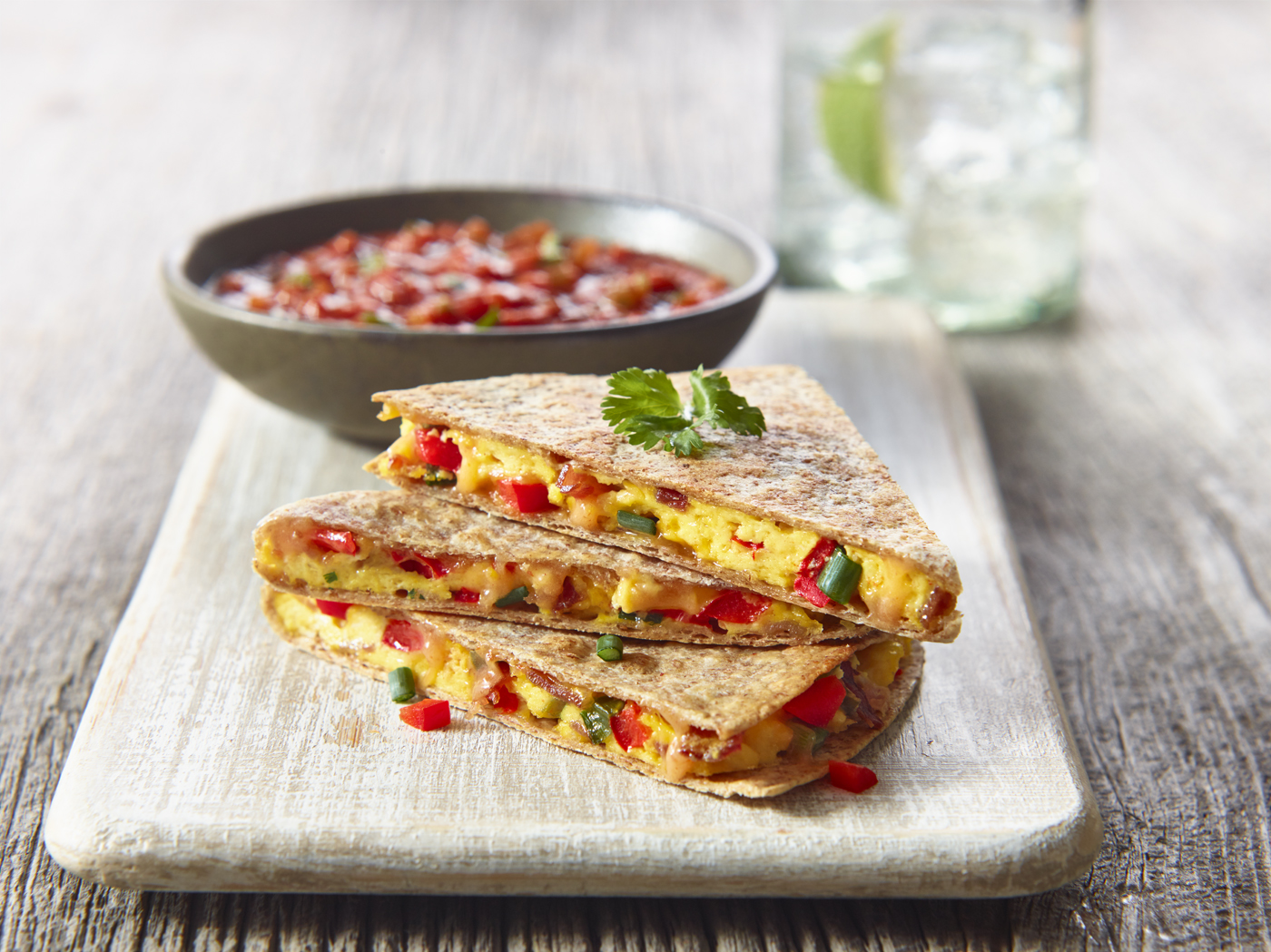
In Hong Kong, eggs quietly shape our meals throughout the day, slipping into dishes so naturally that you almost forget how essential they are. Breakfast might be a fried‑egg sandwich from a cha chaan teng (something like a Hong Kong-style cafe), the yolk still warm and soft between lightly toasted bread, or a bowl of instant noodles topped with a perfectly cooked sunny‑side‑up egg. Lunchtime brings classics like egg fried rice or any kind of meat served with a runny fried egg on top—char siu (i.e. Chinese BBQ pork), pork chop, chicken steak—always with rice underneath to soak up the richness.

Fried‑egg sandwich
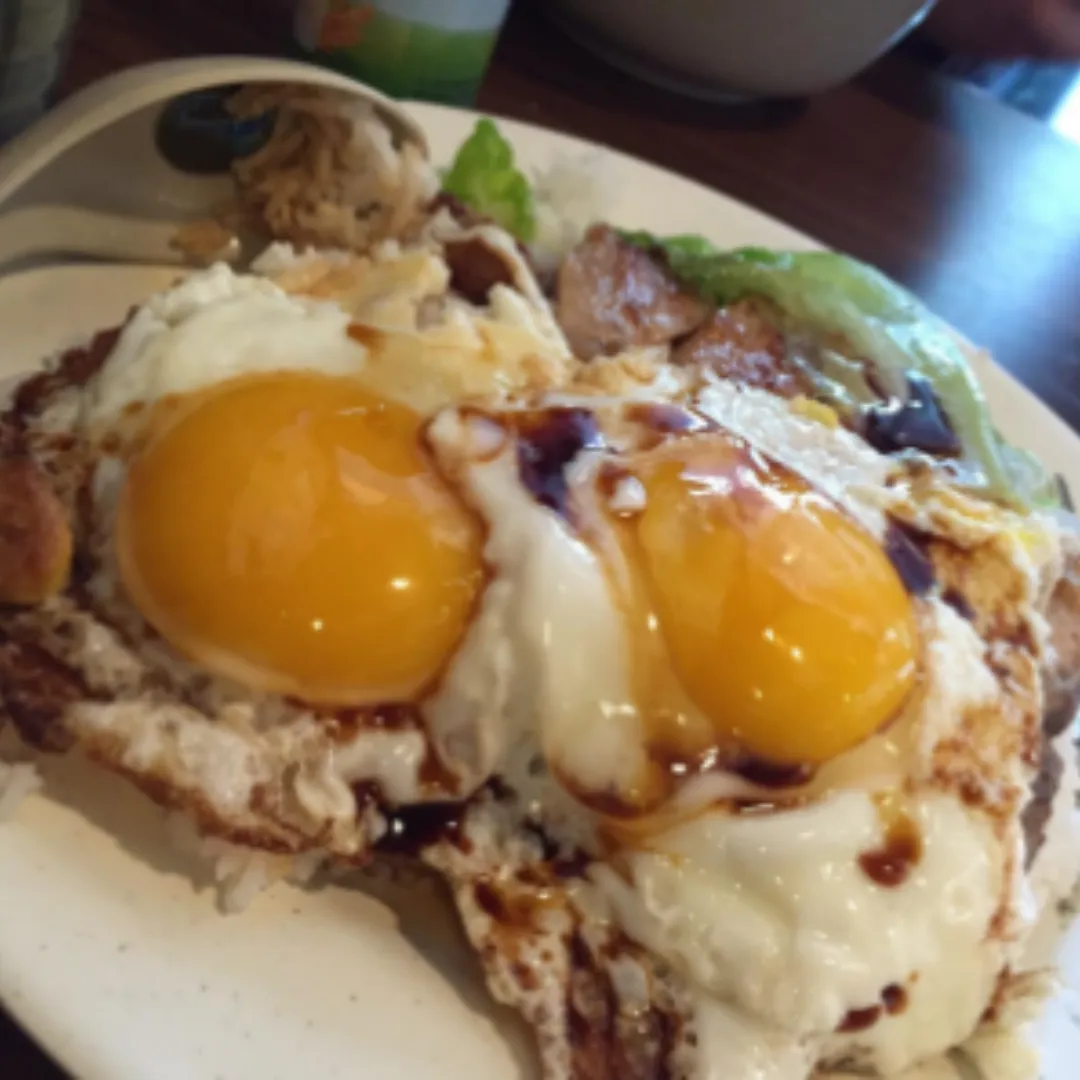
Runny eggs with rice and pork chop
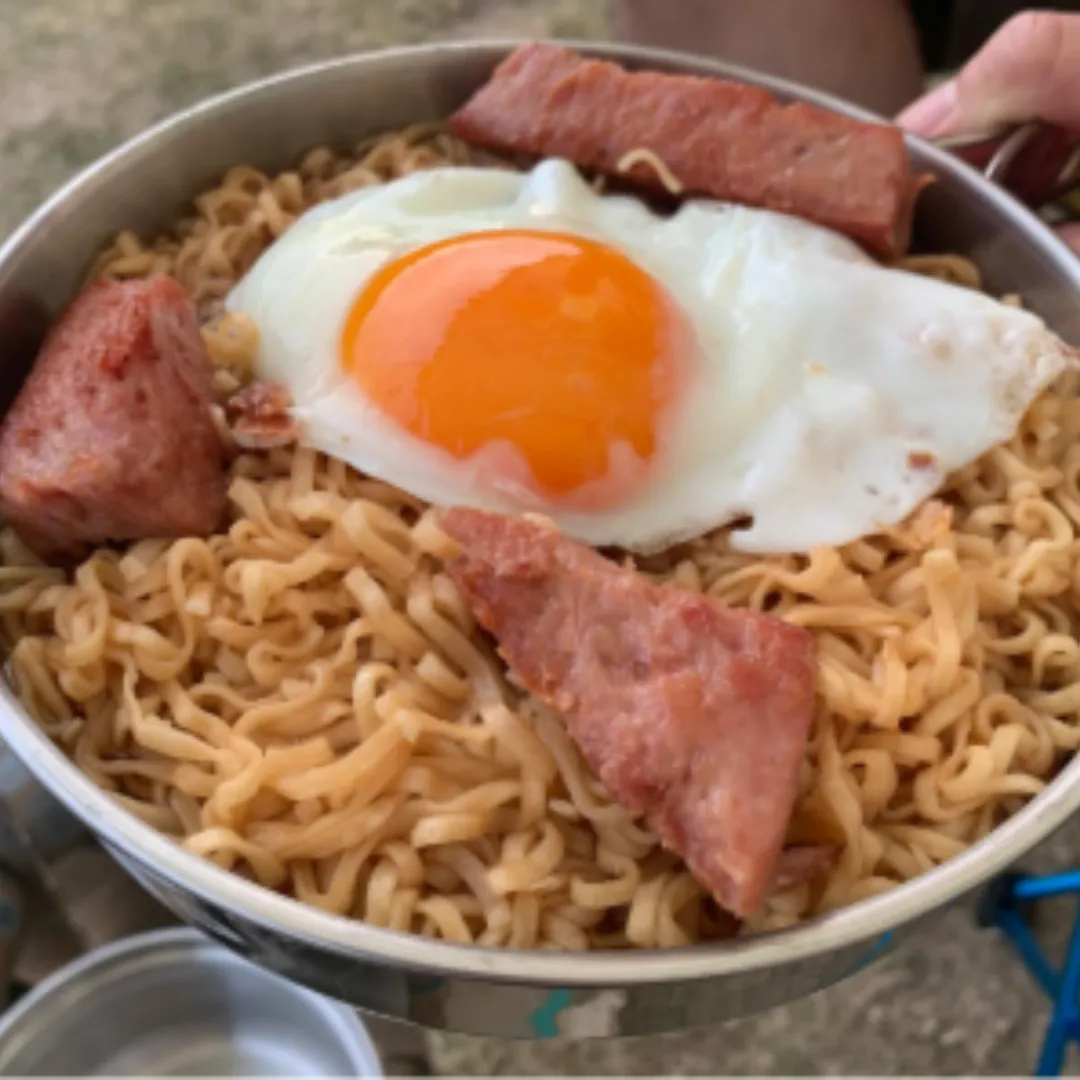
Instant noodles topped with sunny‑side‑up egg and luncheon meat
By afternoon, eggs take on a more indulgent role. Hong Kong-style French toast arrives golden and crisp, topping with sweetened condensed milk and a slab of butter melting into every corner. Or you might reach for a Cantonese egg tart, its silky custard wobbling gently inside a flaky pastry shell. Dinner continues the theme with clay‑pot rice, where a runny egg mixes into sizzling soy sauce and ground beef, creating a comforting, aromatic bowl that feels like home. And throughout the day, snacks like the beloved Cantonese‑style egg waffle—crispy on the outside, soft and airy inside—offer a playful reminder of how versatile eggs can be.
Eggs in Hong Kong aren’t just ingredients; they’re woven into the city’s rhythm, its comfort foods, and its celebrations. They show up in the everyday and the special moments, carrying meanings that go far beyond the plate.
Beyond daily meals, eggs also carry deep cultural meaning. Growing up, I remember how red eggs were shared to celebrate the arrival of a newborn, which are symbols of joy, blessings, and new beginnings. In the past, families would even send out a specific number of red eggs as an announcement: an even number signalled a baby boy, while an odd number meant a baby girl. Alongside these gifts, households with newborns would prepare pork knuckles, eggs, and ginger stew to share with relatives and close friends, spreading warmth and good fortune.
This stew also plays an important role in postpartum recovery. New mothers traditionally eat pork knuckles with ginger and eggs as a nourishing, restorative dish. Pork knuckles are rich in protein and calcium, supporting healing after childbirth. Eggs provide essential amino acids, minerals, and vitamins, helping to rebuild strength. Sweetened vinegar is believed to help expel “wind” during confinement and warm the body. Although rooted in tradition, this dish is enjoyed by some people of all ages today, appreciated for both its flavour and its symbolism of care and renewal.
Eggs also appear in seasonal celebrations. During the Mid‑Autumn Festival, mooncakes filled with salted egg yolks represent the full moon, signifying unity, family togetherness, and prosperity. The deep-orange yolk at the centre is more than just a flavourful surprise; it mirrors the bright, round moon that families gather to admire each year. Sharing mooncakes is a way of passing blessings from one household to another, a reminder to stay connected even when loved ones are far apart. Whether enjoyed with tea, exchanged as gifts, or sliced carefully so everyone gets a piece of the yolk, these festive treats show how eggs continue to carry symbolism of wholeness, reunion, and harmony.
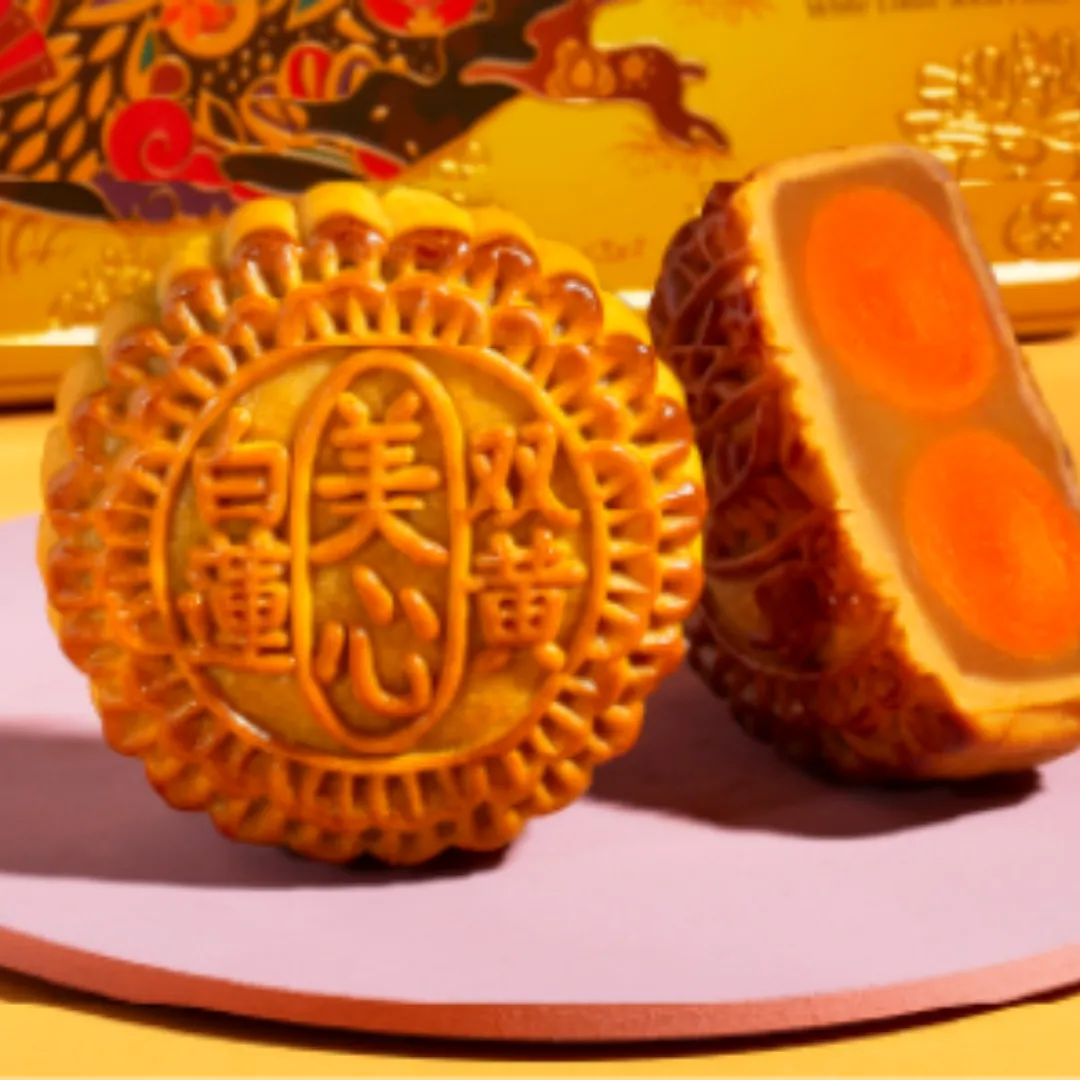
White Lotus Seed Paste Mooncake with 2 Egg Yolks (Source Image: hkmxmooncakes.com)
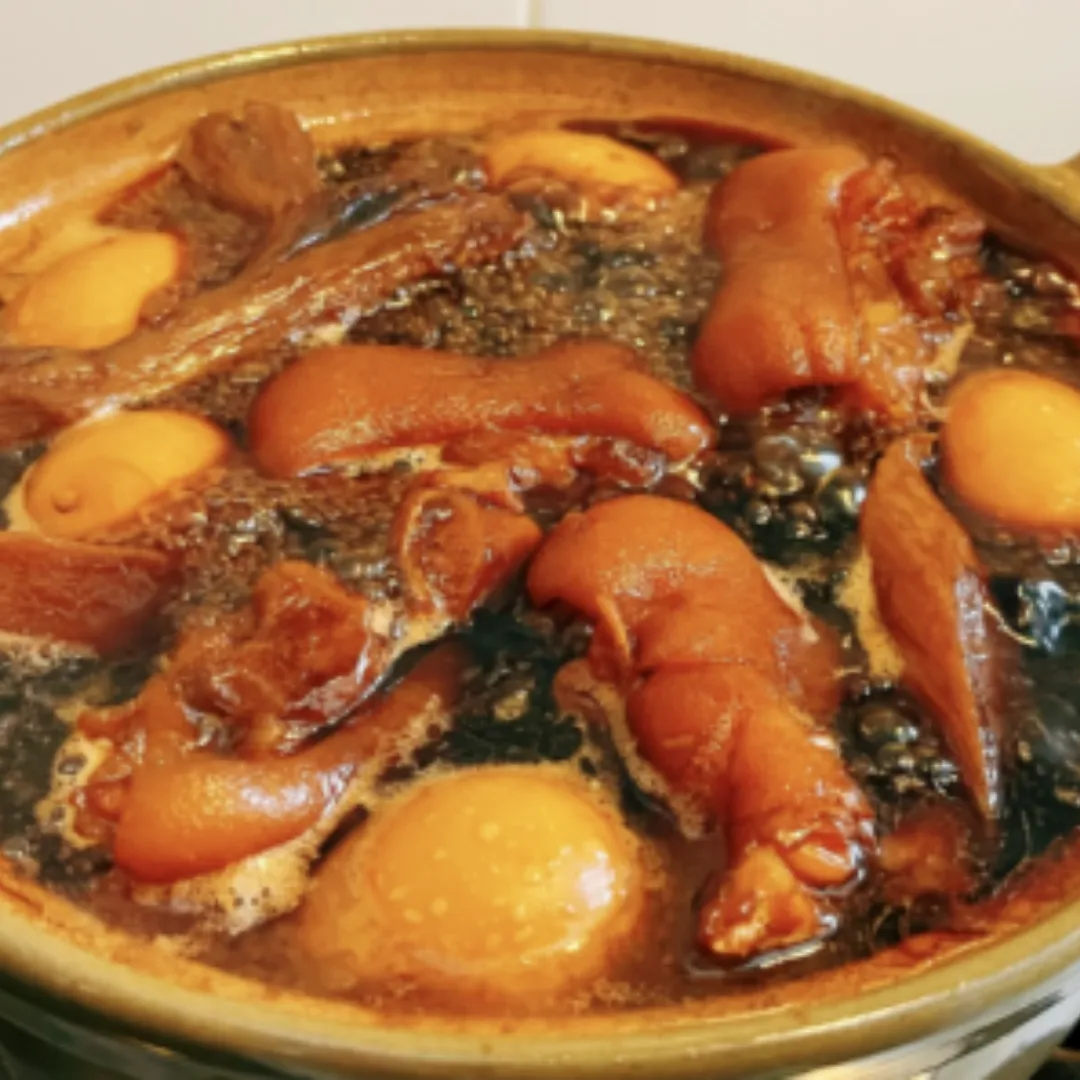
Pork knuckles, eggs and ginger stew (Image source: Cook1cook.com)
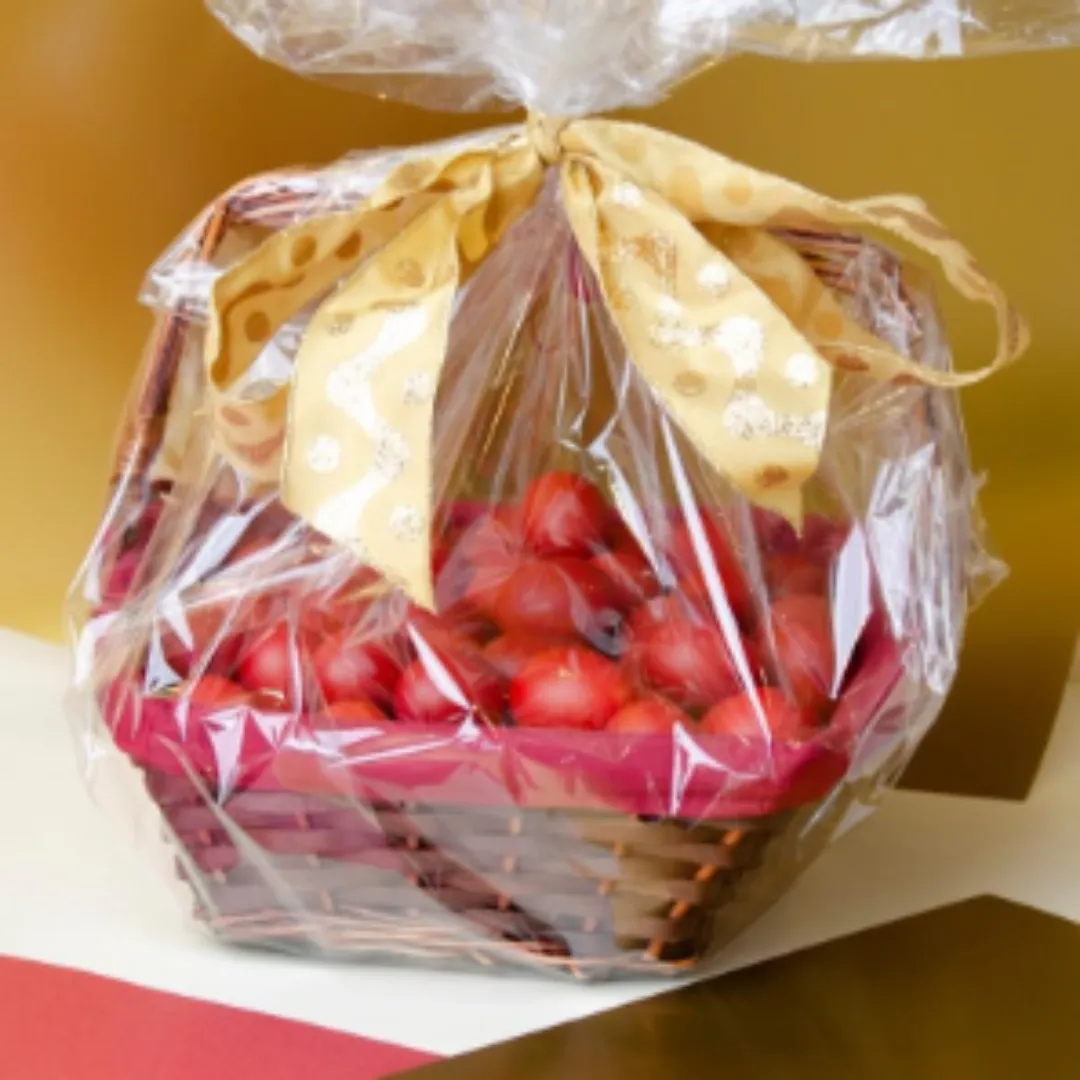
Red Eggs (Image Source: patchun.com)
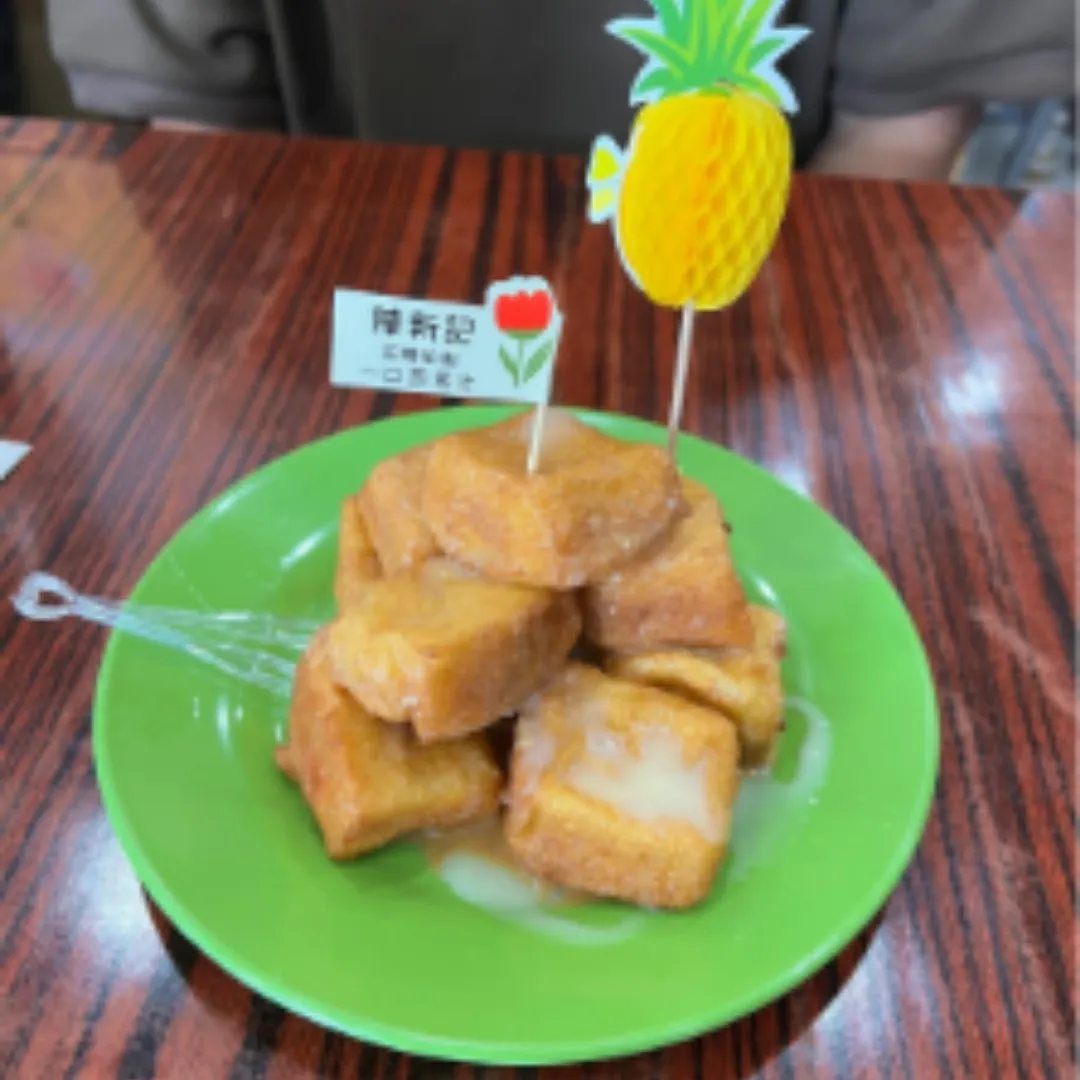
Hong Kong-style French Toast
Across China: Everyday Eggs and Family Traditions
Across China, eggs appear in comforting, home‑style dishes that many people grow up with, forming a thread that runs through everyday meals and family memories. Breakfast often begins with a warm bowl of congee paired with a hard‑boiled egg. It is simple, nourishing, and familiar, the kind of meal that quietly sets the tone for the day. In many households, this combination is almost ritualistic, a reminder of childhood mornings and the gentle rhythm of home.
Tomato‑scrambled eggs, with their bright colours and sweet‑savoury flavour, are a lunchtime favourite found in countless kitchens and school cafeterias. It’s one of those dishes that feels universal across China, which is easy to make, endlessly comforting, and loved by children and adults alike. At dinnertime, silky steamed eggs or corn‑drop soup often sit alongside rice and stir‑fried vegetables, bringing a gentle, soothing balance to the meal. These dishes are soft, warm, and humble, yet they carry a sense of care that only home cooking can offer.
Even desserts embrace eggs. Steamed egg with milk, smooth and lightly sweet, is a childhood classic for many. It is a dish that feels both delicate and comforting. In some regions, it’s served warm; in others, chilled, almost like a custard. Beyond everyday meals, eggs also appear in festive foods and symbolic dishes. Tea‑leaf eggs simmer in fragrant spices at street stalls, while century eggs paired with tofu or congee reflect deeper regional traditions. During holidays or family gatherings, eggs often symbolize renewal, prosperity, and good fortune, showing how deeply they are woven into cultural rituals.
These everyday egg dishes carry more than flavour. They reflect warmth, nourishment, and the simplicity of home cooking as reminders of family kitchens, shared tables, and the rhythms of daily life. Across China, eggs are woven into both routine and celebration, grounding people in a sense of home, heritage, and the comfort of familiar tastes.
Japan: A Day Shaped by Eggs
Japan offers yet another lens on egg culture, and as someone who loves traveling, I’m always fascinated by how seamlessly eggs fit into every meal. Mornings might begin with tamagoyaki paired with onigiri—the sweet, layered omelette adding a gentle warmth to the simplicity of rice. It’s a breakfast that feels both delicate and intentional, reflecting the Japanese appreciation for balance and craft.
At lunchtime, you might enjoy a comforting bowl of oyakodon, where chicken and egg are simmered together in a savoury‑sweet broth and poured over steaming rice. The name itself—oyako, meaning “parent and child”—captures the dish’s homestyle tenderness. Or, you might choose a bowl of ramen crowned with a marinated soft‑boiled egg, its custardy yolk melting into the broth and adding richness to every sip.
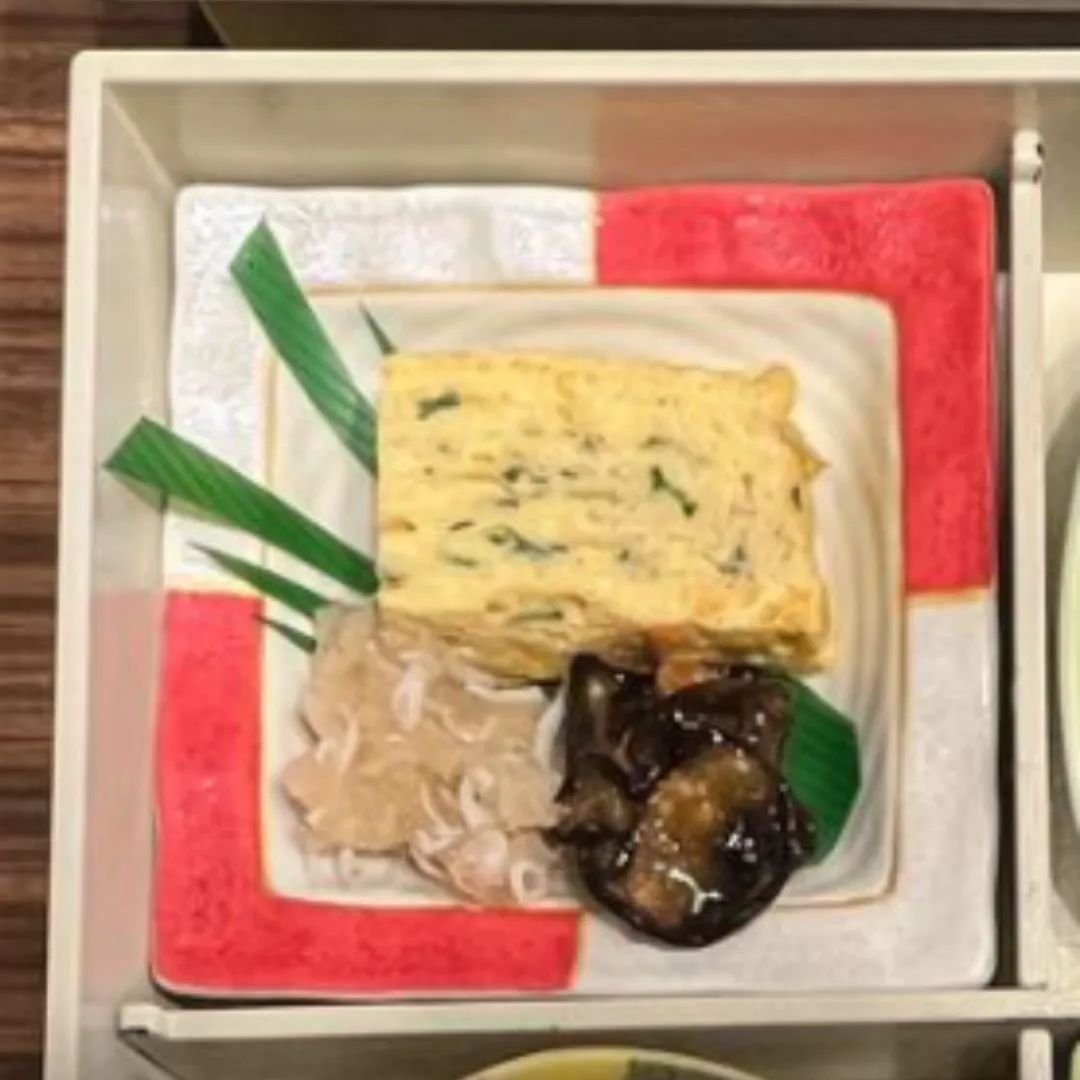
Tamagoyaki
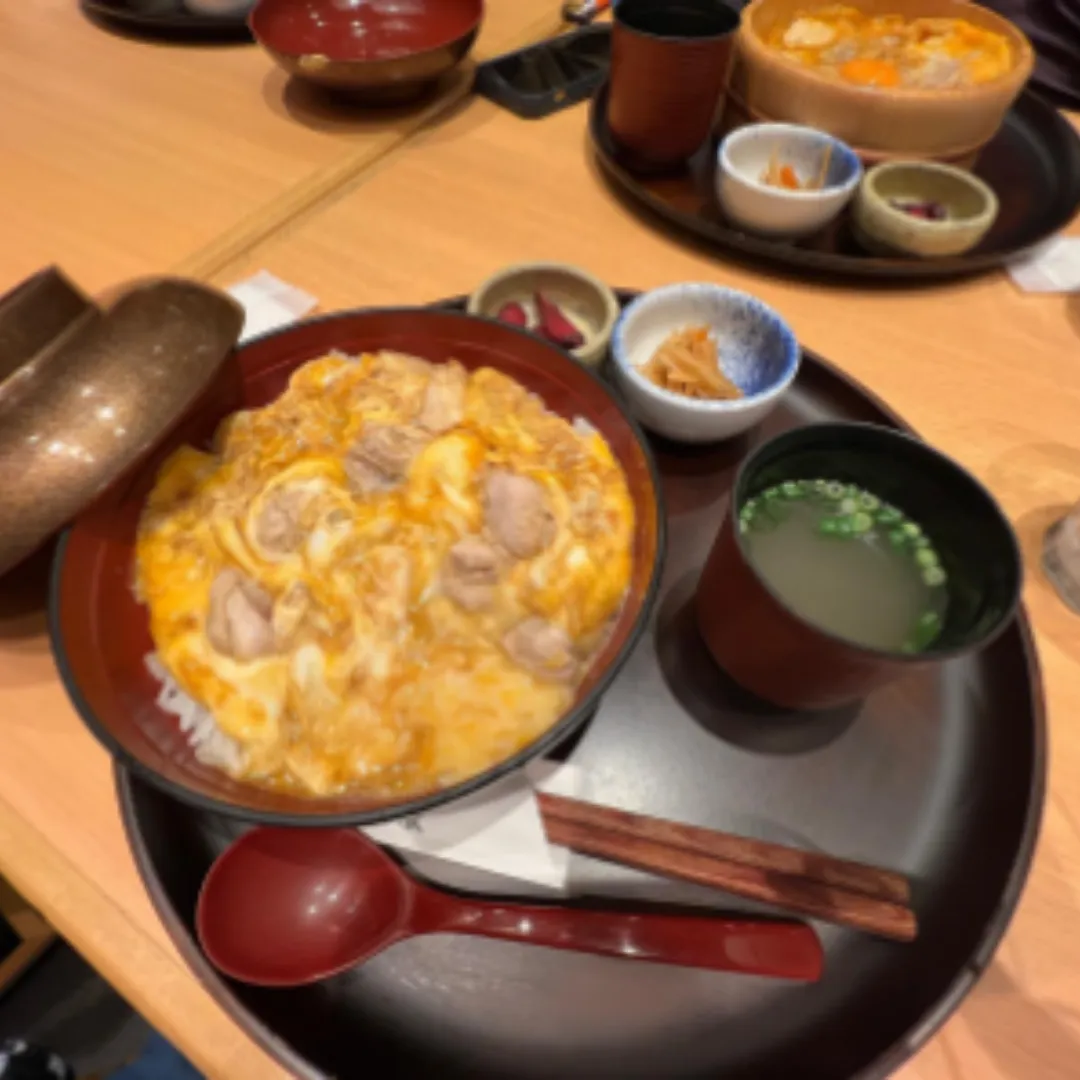
Oyakodon (Chicken and egg rice bowl)
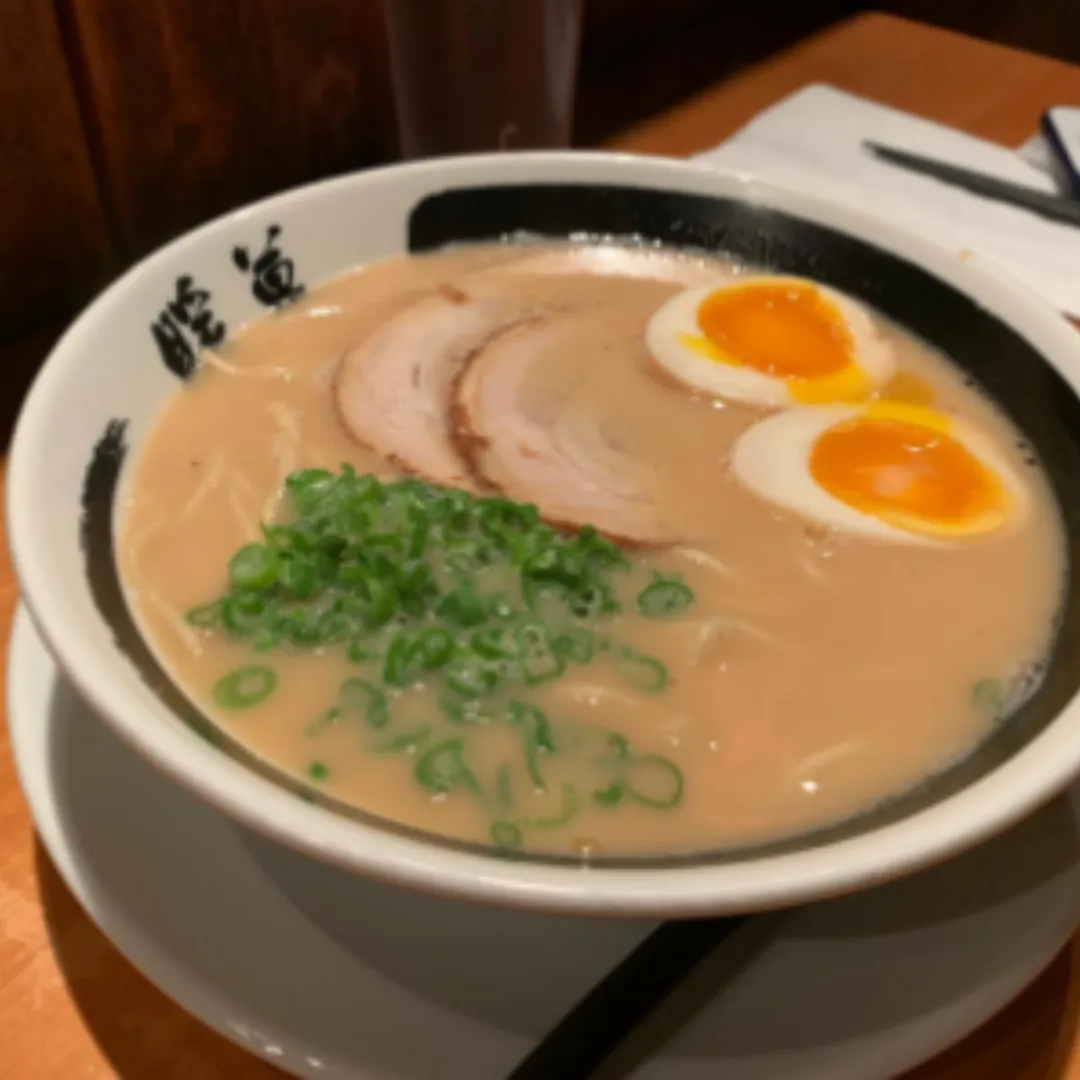
Pork Ramen with soft-boiled egg
Dinner brings even more ways eggs appear. Sukiyaki is a classic example: thinly sliced beef, tofu, and vegetables simmer in a sweet‑savoury broth, and each bite is dipped into raw beaten egg. The egg transforms the dish, coating everything in a silky, luxurious layer that softens the flavours and brings them together. It’s a ritual as much as a meal—slow, interactive, and deeply comforting.
And to finish the day, there’s egg pudding, smooth and lightly sweet, often topped with a thin layer of caramel. It’s the kind of dessert that feels nostalgic even if you didn’t grow up with it, a gentle ending to a day filled with subtle, thoughtful uses of eggs.
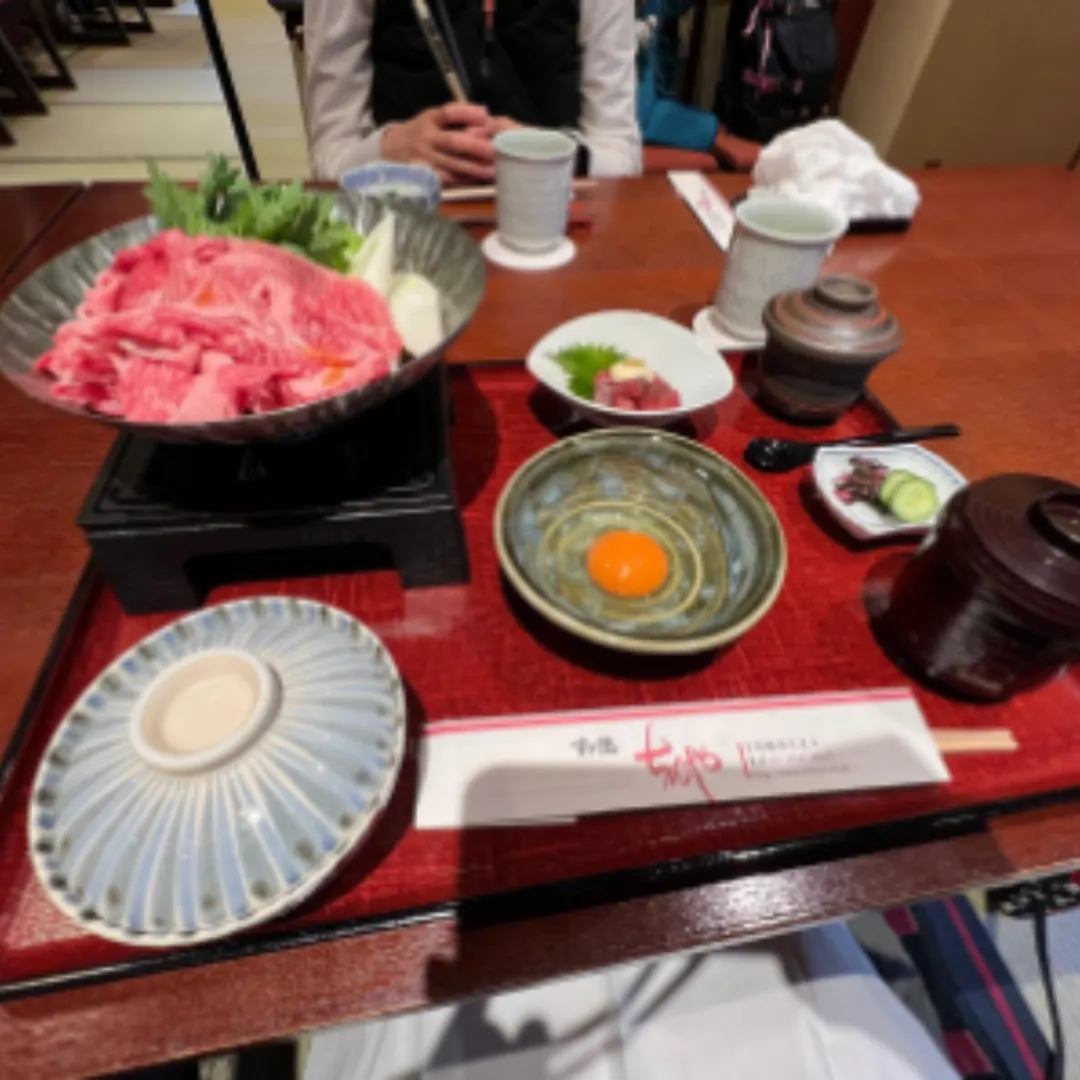
Beef Sukiyaki with raw egg as dipping sauce
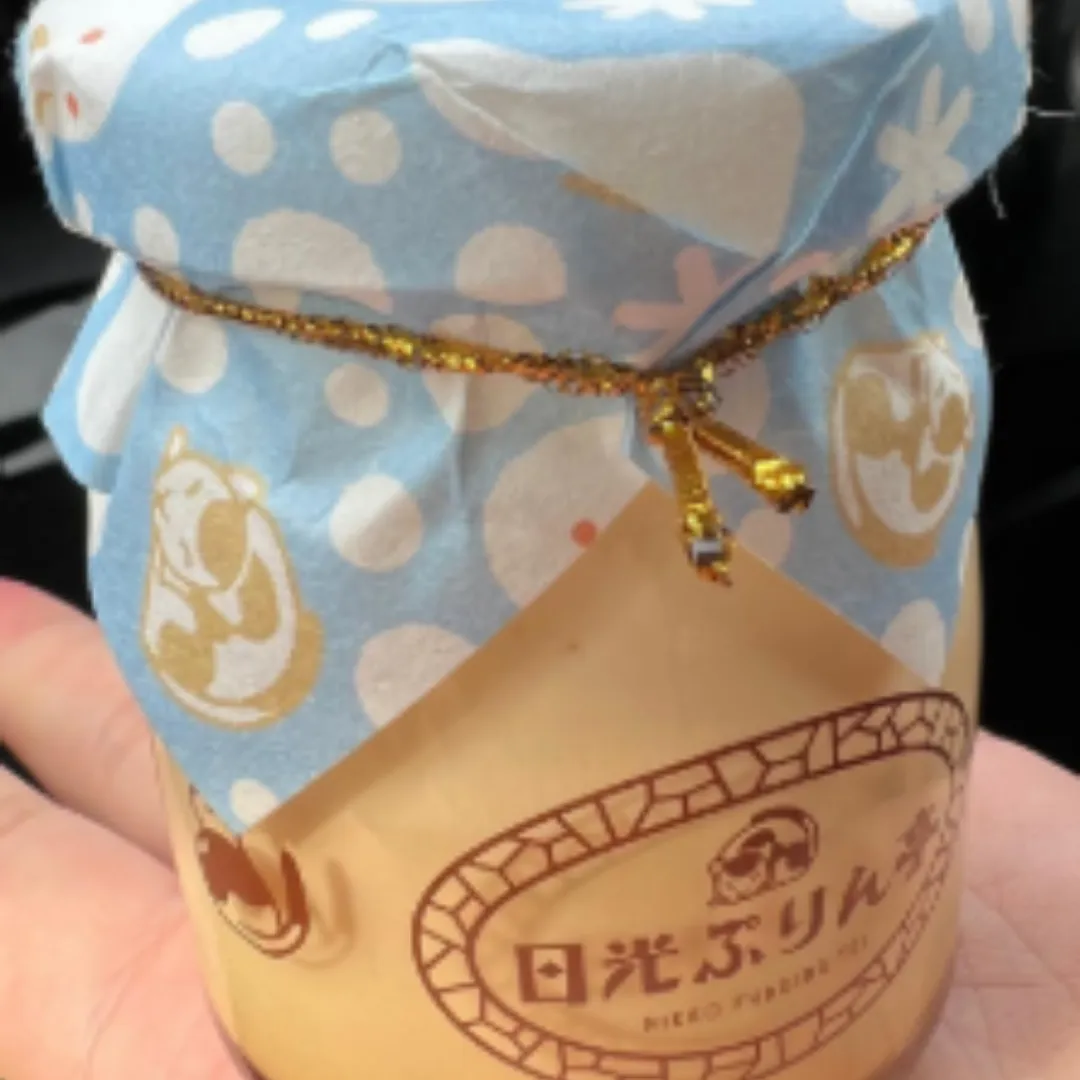
Egg Pudding
In Japan, eggs are woven into the fabric of daily eating with intention and craftsmanship, showing how a single ingredient can take on countless forms—from homestyle comfort to refined culinary tradition.
As I’ve moved through different places and stages of life, eggs have become a quiet thread connecting all the tables I’ve sat at—whether in a bustling Hong Kong cha chaan teng, a family kitchen in mainland China, or a cozy ramen shop in Japan. Each dish carries its own stories, traditions, and gestures of care, yet they all share the same humble ingredient that feels both familiar and endlessly surprising.
What I love most is how eggs reveal the heart of a culture without ever demanding attention. They slip into celebrations, comfort foods, and everyday rituals, reminding me that food is never just about eating—it’s about belonging, memory, and the ways we care for one another. No matter where I go next, I know an egg dish will be waiting for me somewhere, offering a small taste of home and a new way to understand the world.