
Key Takeaways
- Eggs are a quick, versatile protein that makes building balanced lunches efficient and nutritious for all ages.
- DIY lunchables pair convenience with nourishment, combining protein, complex carbohydrates, vegetables, fruit, and healthy fats for optimal energy and satisfaction.
Back-to-school season has officially arrived, and that means lunch box decisions are front and centre. My daughter Ella is starting elementary school this year, and she’s made one thing very clear: a cute lunchbox makes everything taste better.
As a registered dietitian and a mom, I also know that once school starts, mornings move fast, and are sometimes chaotic. We need lunches that come together quickly, fuel us, and still pass the taste test.
This August, I’ve partnered with Egg Farmers of Ontario to share how eggs can be the foundation of easy, balanced lunchable-style meals for both kids and adults.
Eggs are affordable, packed with high-quality protein, and provide key nutrients like choline and vitamin D. This Green Tahini Egg Salad recipe has become one of our go-to lunch box staples, pairing well with crackers, veggies, and simple sides.
Whether you’re packing school lunches or prepping meals for work, these DIY lunchables are designed to make busy days feel a little more manageable.
Why DIY Lunchables (or Compartmentalized Lunches) Work Well
Growing up, getting a ham and cheese Lunchables® pack felt like a big deal; I loved the compartmentalized food and the freedom to build your own.
Kids love having choices, and there’s something empowering about deciding what goes in each section and how it all comes together. That same concept is exactly why DIY lunchables work so well with kids today. When children get to choose which veggies, fruits, crackers, or proteins go into their lunchbox, they’re far more invested in eating it.
As a parent and a dietitian, I now appreciate why my mom leaned toward homemade lunches. While packaged lunch kits are convenient and a great option sometimes, they often come with higher sodium, added sugars, and a higher cost for relatively small portions of processed foods. DIY lunch boxes keep the fun, build-your-own element kids love, while giving parents more control over ingredients and portions. Plus adults love them too, so you can make their lunch and yours at the same time.
Dietitian Guide to Creating A Satisfying Lunch Box
First and foremost, we want to pick a lunch box that your kiddo likes. Presentation matters, containers included! That’s why I let Ella pick out her own lunch box and bag (Amazon has a great selection or checkout your local Target or even the dollar store). When kids feel excited about what their food is packed in, they’re more likely to actually eat what’s inside.
Now, let’s talk about what makes up a balanced lunch box. The 2211 framework developed by a fellow Dietitian Susie Kundrat, provides an effective formula about how much we should include in each meal:
- 2+ oz of protein: Eggs are a standout protein choice for school lunches. They deliver all nine essential amino acids that growing bodies need, making them a true complete protein. Eggs are also a source of choline for brain development, along with vitamin D, B vitamins for immune function (Egg Farmers of Ontario).
Ella recently likes to have marinated jammy eggs inspired by the ramen place we went to. Another way we like to enjoy the eggs is veggie scramble, topped with cheese.
- 2+ servings of vegetables and fruits: Chopping colourful vegetables into fun shapes or pairing them with a tasty dip (like a yogurt ranch or the egg salad itself) can make them more appealing.
- 1 Whole grains or complex carbohydrates: Whole-grain or seeded crackers, whole-wheat pita, pasta, brown rice cake, and quinoa offer carbohydrate, fibre, B vitamins, and sustained energy, perfect for school or work.
- 1 Healthy fats source: Options include a handful of seed & dried fruit based trail mix (avoiding nuts to keep it school safe), cheese cubes, olives, and guacamole. Fats are important to keep you fueled longer and enhance the taste of your food.
How to Incorporate Vegetables In Your Lunch Box with Picky Eaters
One of the most common concerns I hear from parents is that their kids “don’t like vegetables.” I always remind families to zoom out and focus on overall eating patterns, not on a single meal. Many children naturally gravitate toward fruit before vegetables, and that’s okay. If Ella’s lunch box doesn’t include any vegetables one week, and instead includes blueberries and apple slices, I’m not worried. She’s still getting fibre, vitamins, and important nutrients from fruits.
Building comfort with vegetables takes time and repeated exposure. To encourage curiosity and willingness to try, I’ve found a few simple strategies especially helpful: serving vegetables in fun shapes, pairing them with a dip, or mixing them into familiar favourites like egg bites or muffins.
Here are some easy ideas to make veggies more fun and appetizing:
- Stuffed rainbow mini sweet peppers with egg salad
- Chocolate Zucchini Muffins
- Veggie sticks (carrot, celery, cucumber, sliced bell pepper) with Greek yogurt dip
- Fruit of choice
Other Tips for Packing a Balanced Compartmentalized Lunch Box:
To make packing lunches efficient and nutritionally sound, here are the tips I follow to ensure success in time and feeding the family:
- Think About Proportions
According to the Canadian Food Guide, fill half your lunch box with veggies and fruit, one-quarter with protein, and one-quarter with whole grains. This helps balance blood sugar and keeps energy steady throughout the day. If you follow this method, or Dietitian Susie Kundrat 2211 framework, they support the same goal. Choose the method that works for you.
- Involve Kids in Prep
Kids are more likely to eat what they help make. Let them assemble their box components and when you grocery shop, let them pick the veggies and fruits they want to include. Ella helps me fill up her lunch containers and chooses two of her veggies and fruits. Sometimes half her lunch box is all fruit and no veggies and that’s ok too!
- Prep Ahead to Save Time
Make the egg salad and parfait cups on the weekend, and store them in airtight containers for quick assembly all week long. Hard-boiled eggs keep well in the fridge for up to 5 days. Pack an ice pack when taking eggs and other proteins for lunch. - Use Canned Food
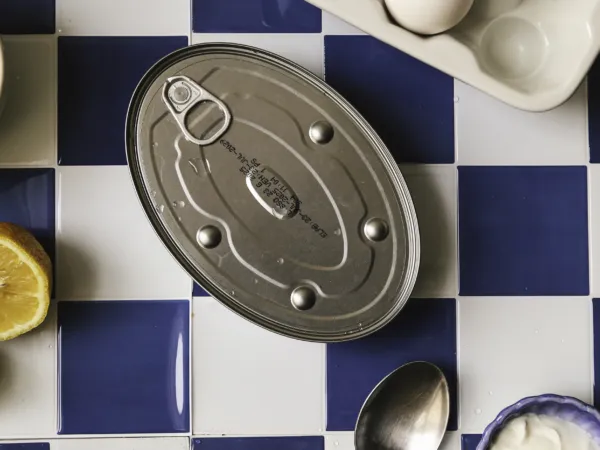
Canned foods are a lifesaver when fresh produce is running low or leftovers are already spoken for. Options like canned salmon, tuna, chickpeas, or beans are affordable, shelf-stable, and ready to use in minutes. They add protein, fibre, and healthy fats without any extra prep, making them easy to pair with other foods you already have on hand.
- Invest in a Hot Food Thermo & Ice Packs:
A good hot food thermo is a game-changer during the colder months. It allows you to pack warm options like soup, chili, or pasta and keep them hot until lunchtime, no microwave required. This not only expands your lunch options but also takes the pressure off finding or waiting for a microwave, which can be too difficult and unsafe for littles to operate anyways.
Pack an ice pack when packing eggs and other proteins for lunch.
A Weekly Egg-Based Lunch Menu
We simply love eggs in our house; I know I can rely on eggs to support Ella’s protein and nutrient needs; but I also know that because she loves them, if I am stumped for what protein to offer her, I can always pack them.
Here’s a balanced, egg-focused weekly lunch menu that’s kid- and adult-friendly, easy to prep, and flexible. All the egg recipes can be prepped over the weekend. Cut up the vegetables and fruits ahead of time to make packing lunch easier!
Monday: Green Tahini Egg Salad (see recipe below) on Mini Brioche Bun
Tuesday: Mason Jar Southwest Salad
Wednesday: Green Tahini Egg Salad wrap (add lettuce)
Thursday: PB & J with Homemade Chia Berry Jam
Friday: Egg & Cheese Omelette on a whole-grain English Muffin (add lettuce, tomato, and cucumber)
Then, you can ask your kid(s) to choose one from each of the category below:
- Veggie: cherry tomatoes & cucumber slices; carrot and celery sticks with hummus; mini bell peppers and snap peas; steamed green beans; steamed broccoli florets
- Fruit: apples; peaches; grapes; orange; banana; strawberries; blueberries; melons; mango; plums
- Snack: mini cookie stuffed parfait with berries; yogurt with granola and berries; dried edamame and rice cakes
- Fat: avocado spread; cheese slices or cubes; seed butter; roasted nuts; olives or salad dressing/dip
Encouraging choice fosters independence and gives kids a sense of ownership over their meals.
DIY Lunchable Inspiration for ALL Ages
Below is a delicious combination you can pack for lunch all week: a Green Tahini Egg Salad on a Brioche bun or with whole grain crackers, crunchy veggies, and an individual cup of a parfait with berries, perfect for dessert or a sweet snack.
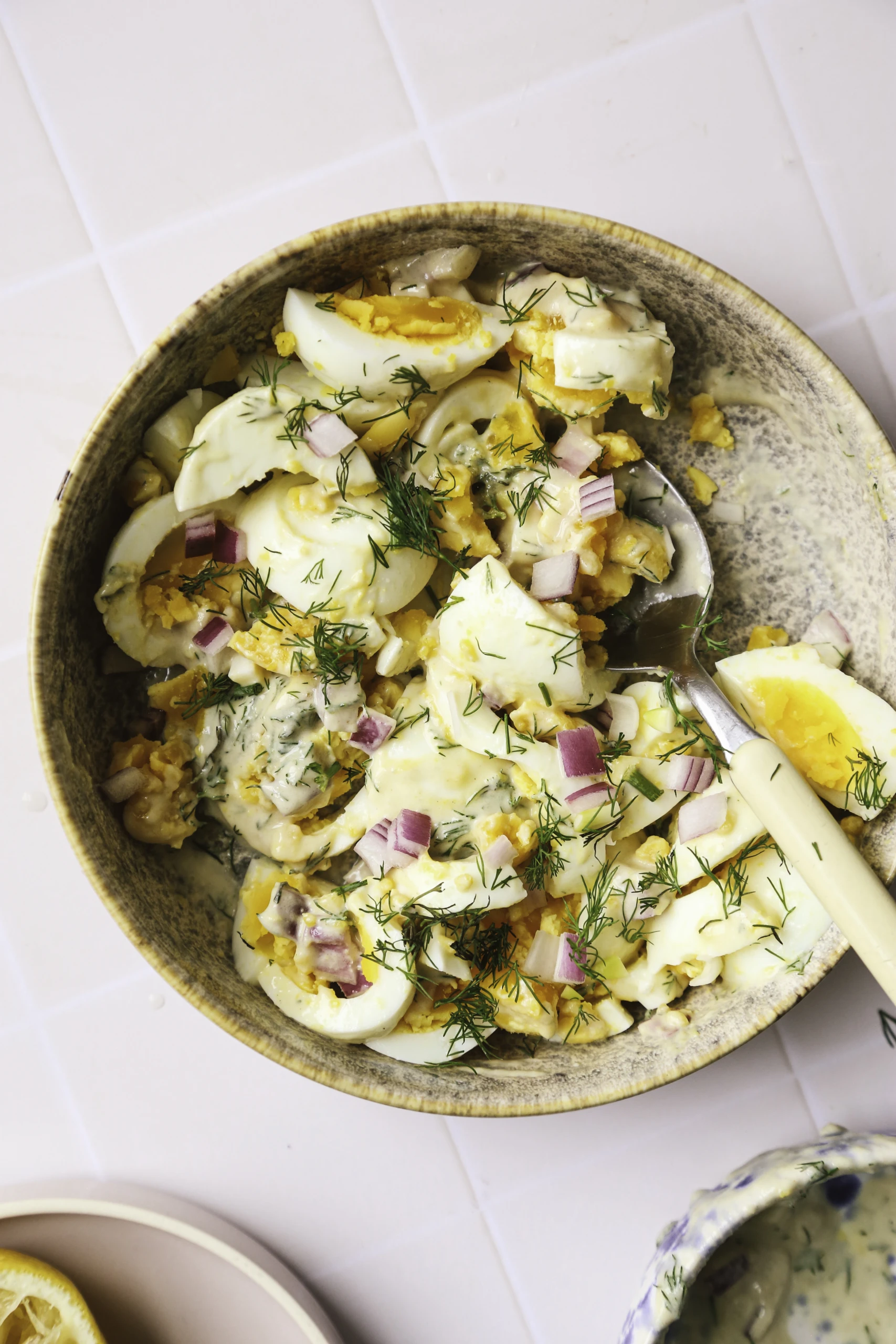
Green Tahini Egg Salad Recipe
Adopted from Justine Doiron
Serves 4
Prep time: 20 minutes
Cook time: 15 minutes
Ingredients:
• 5 large eggs
• 1/4 cup fresh dill
• 1 small garlic clove
• 2 tbsp tahini + 1/4 cup of water if your tahini is really thick, like mine
• 1/2 lemon for both zest and juice
• 1 tbsp of sweet vinegar like white vinegar or white balsamic vinegar
• 1 tbsp of olive oil
• 1 tsp honey
• Pinch of salt
Method
1. Bring a large pot of water to a boil. Lower in the 5 eggs and boil for seven and a half minutes.
2. While the eggs are boiling, prepare a large ice bath. When the eggs are finished, use a slotted spoon to immediately transfer them to the ice bath. Set this to the side.
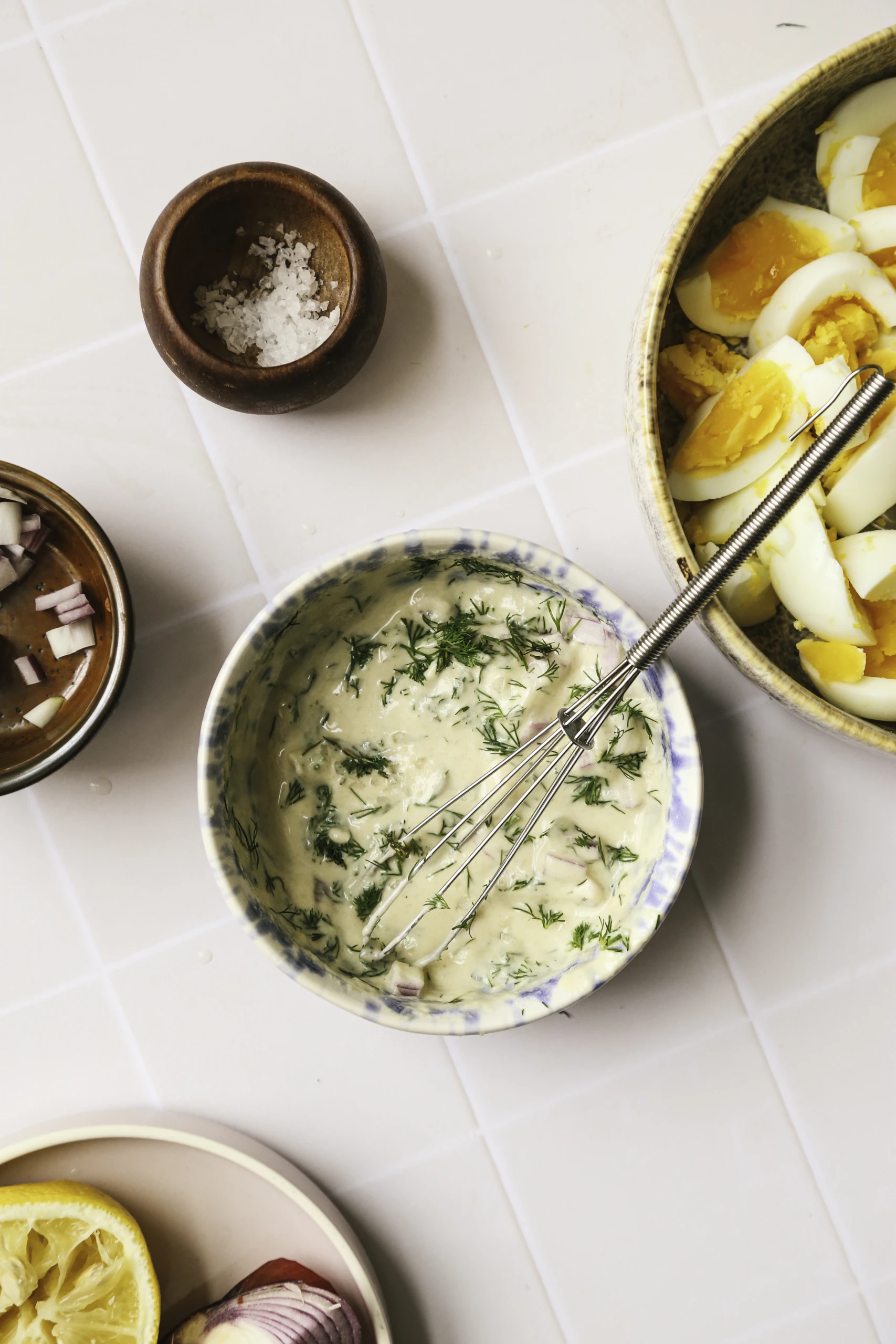
3. Blend the tahini and water, then add the lemon juice, vinegar, olive oil, honey, and salt.
4. Finely chop the dill and add it to a large bowl. Grate in the garlic clove.
5. Peel and quarter the eggs. Add them directly into the bowl with the dressing. Gently mix so that the dressing coats the eggs.
6. Store in an airtight container for up to 5 days in the fridge.
This egg salad is extremely versatile. Looking for something crunchy, use whole-grain crackers as the base. You can also make mini sandwiches with dinner rolls or brioche buns. Fill the rest of the lunch box compartments with fruits and vegetables, such as apple slices, sliced bell peppers, and cucumber.
Dietitian Note
One of the best parts about DIY lunch boxes is flexibility. Here are ways to customize:
- Protein Boost: add turkey or chicken slices, hummus, or cheese cubes.
- Grain Swap: use pita wedges, tortilla chips, mini whole-grain bagels, or quinoa salad.
- Additional Treats: add sliced apples with nut butter, dried fruit, or granola bites.
Next time you’re staring at the fridge at 7 a.m., remember: with eggs, whole grains, veggies or fruit, and an optional sweet treat, you can build balanced lunches in minutes that they’ll enjoy and keep them energized . Visit Egg Farmers of Ontario website for more recipes and nutrition information.
References
1. Egg Farmers of Ontario. Get Cracking: Nutrition & Recipes. Egg Farmers of Ontario, https://www.getcracking.ca/nutrition-and-wellness. Accessed 28 Jan. 2026.
2. Government of Canada. “Eat vegetables and fruits.” food-guide.canada.ca, 22 Sept. 2023, https://www.choosemyplate.gov/eat-healthy/vegetables. Accessed 28 Jan. 2026.